

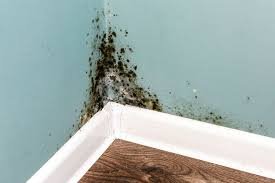
Humidity is a common challenge for homeowners, especially in warm and tropical regions like much of Africa. High indoor humidity can make your home uncomfortable, damage your property, and even affect your health. Understanding what causes humidity and how to control it is essential for a healthy and pleasant living environment.
What Causes High Humidity in the House?
- Climate:
- Many African regions experience high temperatures and heavy rainfall, which naturally increase both outdoor and indoor humidity.
- Poor Ventilation:
- Homes with limited airflow trap moisture inside, especially in kitchens, bathrooms, and laundry areas.
- Daily Activities:
- Cooking, showering, and drying clothes indoors all add moisture to the air.
- Leaks and Dampness:
- Leaky roofs, walls, or plumbing can let water in, raising humidity and encouraging mold growth.
- Building Materials:
- Some materials, like concrete, can absorb and release moisture, affecting indoor humidity levels.
Why Is High Humidity a Problem?
- Mold and Mildew: Thrive in damp environments, causing allergies and respiratory issues.
- Dust Mites: Multiply in humid conditions, worsening asthma and allergies.
- Damage to Property: Wood can warp, paint can peel, and electronics may malfunction.
Unpleasant Odors: Dampness leads to musty smells that are hard to remove.
Cost-effective solutions for managing humidity?
In many African villages, resources and access to modern appliances like dehumidifiers may be limited. However, there are several affordable and practical ways to reduce indoor humidity and keep homes comfortable and healthy:
1. Maximize Natural Ventilation
- Open Windows and Doors: Open windows and doors during the day to let fresh air circulate and carry moisture out.
- Cross-Ventilation: Open windows on opposite sides of the house to create a breeze that moves humid air outside.
- Use Vents or Small Openings: Simple wall or roof vents can help hot, moist air escape.
- Source: Natural Ventilation Strategies in African Buildings – ScienceDirect
2. Dry Clothes and Cooking Outside
- Outdoor Drying: Always dry clothes outside in the sun instead of indoors.
- Outdoor Cooking: Cook outside or in a well-ventilated area to prevent steam from building up inside.
- Source: Traditional Cooking Practices and Indoor Air Quality in Rural Africa – BMC Public Health
3. Use Local Absorbent Materials
- Charcoal: Place bowls of charcoal in corners or closets. Charcoal naturally absorbs moisture from the air.
- Salt or Ash: Bowls of salt or clean wood ash can also help absorb humidity in small spaces.
- Clay Pots: Unsealed clay pots can absorb moisture and help regulate humidity.
- Source: Traditional Methods for Humidity Control in African Homes – ResearchGate
4. Repair Leaks and Damp Areas
- Fix Roofs and Walls: Use locally available materials like mud, thatch, or cement to repair leaks in roofs and walls.
- Elevate Floors: If possible, raise floors or use mats to prevent ground moisture from entering the house.
- Source: Vernacular Architecture and Climate Adaptation in Africa – Springer
5. Limit Indoor Water Sources
- Fewer Indoor Plants: Keep only a few indoor plants, as they release moisture into the air.
- Cover Water Containers: Always keep water storage containers covered to reduce evaporation indoors.
- Source: Water Storage and Humidity in African Households – African Journal of Environmental Science and Technology
6. Use Shade and Traditional Building Techniques
- Plant Shade Trees: Trees around the house reduce heat and humidity indoors.
- Traditional Designs: Build with high ceilings, wide eaves, and verandas to promote airflow and keep the house cool.
- Source: Passive Cooling and Traditional African Architecture – International Journal of Architecture and Urban Development
7. Regular Cleaning
- Remove Mold Promptly: Clean any mold or mildew with soap and water as soon as it appears.
- Keep Surfaces Dry: Wipe down damp walls and floors regularly.
- Source: Managing Dampness and Mold in African Homes – WHO Africa
These simple, low-cost solutions—supported by African research and traditional knowledge—can make a big difference in controlling humidity and improving comfort in village homes.
For more tips and to connect with local service providers, visit tafutahub.com to post or find classified ads in your area!


Leave a Reply